
Companion Care or Dementia Care

How Do You Know If Your Parent Needs Companion Care or Dementia Care?

Quick Answer: “Your parent may need companion care if they are lonely, isolated, or need help with errands, meals, and daily routines. They may need dementia care if memory loss, confusion, wandering, unsafe decisions, or behavior changes are affecting daily life. The right choice depends on safety, cognition, routine, and supervision needs.” Choosing between companion

How Do You Know If Your Parent Needs Companion Care or Dementia Care? Read More »

Home Care Help Seniors With Mobility Issues

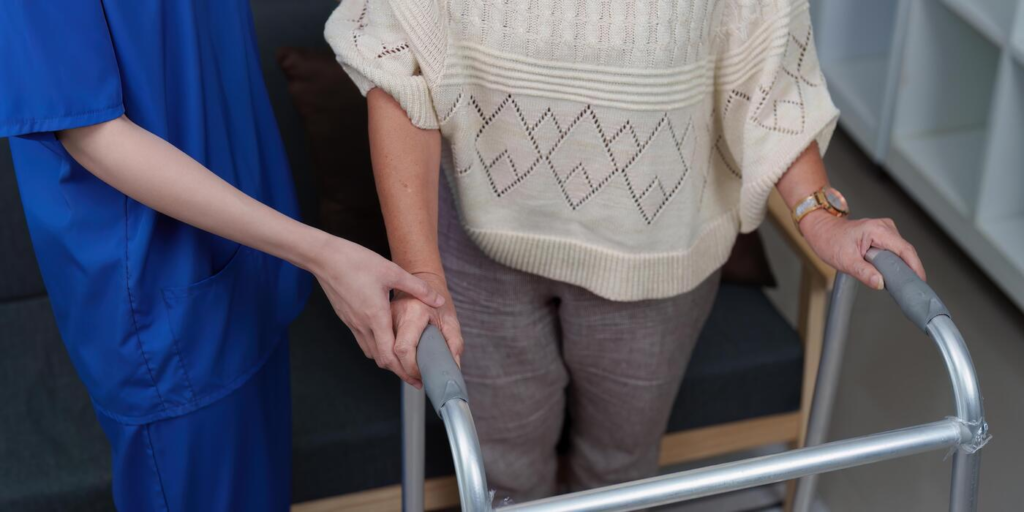
How Can Home Care Help Seniors With Mobility Issues at Home?

Quick Answer: “Home care helps seniors with mobility issues by supporting safer movement, daily routines, meals, light housekeeping, errands, transportation, personal care, and companionship. A caregiver can help reduce everyday risks, make the home easier to manage, and give families peace of mind when walking, transfers, stairs, or fatigue become harder.” Mobility issues can change

How Can Home Care Help Seniors With Mobility Issues at Home? Read More »

Home Care Help Seniors Keep a Daily Routine

How Can Home Care Help Seniors Keep a Daily Routine?

Quick Answer: “Home care helps seniors keep a daily routine by adding dependable support for meals, hygiene, appointments, mobility, light household tasks, medication reminders, companionship, and safe transitions throughout the day. A caregiver helps make everyday life more predictable, which can reduce stress for seniors and give families more peace of mind.” Daily routines matter

How Can Home Care Help Seniors Keep a Daily Routine? Read More »

In-Home Care Help Seniors With Mild Memory Loss

How Can In-Home Care Help Seniors With Mild Memory Loss Stay Safe?

Quick Answer: “In-home care can help seniors with mild memory loss stay safe by supporting daily routines, reducing household risks, providing companionship, helping with meals and errands, offering gentle reminders, and noticing changes early. A caregiver can help the senior remain at home while giving family members more confidence and peace of mind.” Mild memory

How Can In-Home Care Help Seniors With Mild Memory Loss Stay Safe? Read More »

Home Caregiver Do for Seniors Who Live Alone

What Does a Home Caregiver Do for Seniors Who Live Alone?

Quick Answer: “A home caregiver helps seniors who live alone with daily routines, companionship, light housekeeping, meals, transportation, errands, medication reminders, personal care supervision, and home safety support. The goal is to help older adults remain safer, more comfortable, and more independent at home without relying only on family members.” Living alone can be empowering

What Does a Home Caregiver Do for Seniors Who Live Alone? Read More »

Light Housekeeping for Seniors

Light Housekeeping for Seniors: How a Safer, Cleaner Home Supports Aging in Place

For many seniors, staying at home is not just about having a place to live. It is about comfort, memory, independence, and dignity. But as daily tasks become harder, the home can slowly become more difficult to manage. Mail piles up. Laundry waits longer. Kitchen counters get cluttered. Floors become harder to keep clear. What

Light Housekeeping for Seniors: How a Safer, Cleaner Home Supports Aging in Place Read More »

Companionship and Socialization for Seniors at Home

Companionship and Socialization for Seniors at Home: Daily Activities That Support Connection

Aging at home can be comforting, familiar, and deeply personal. But for many seniors, home can also become quiet. Friends may move away. Driving may become difficult. Health changes may limit outings. Adult children may be busy with work and family. Over time, a senior who once had a full social life may begin spending

Companionship and Socialization for Seniors at Home: Daily Activities That Support Connection Read More »

Senior Care Companions
Scroll to Top