
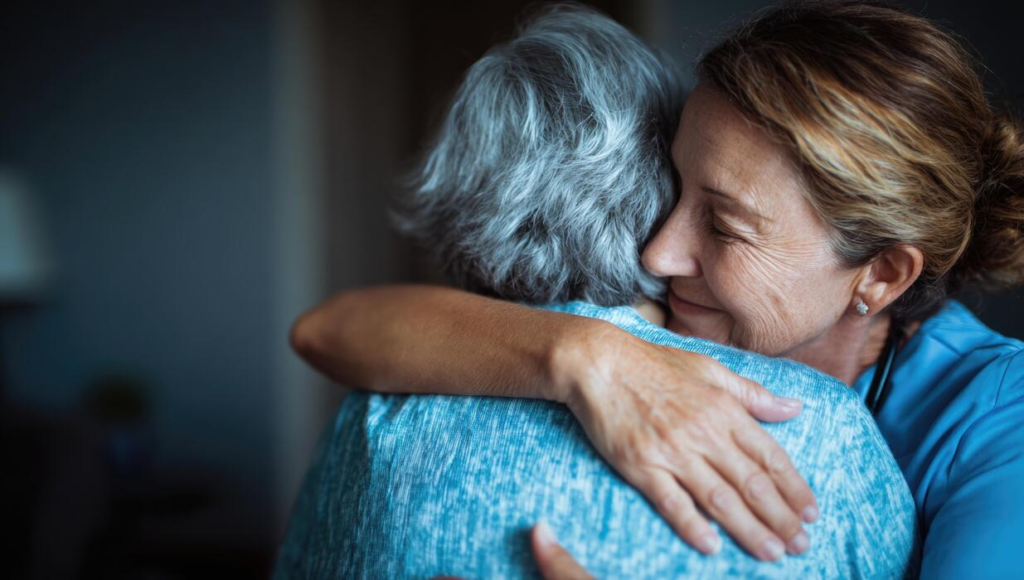
Quick Answer: “Home care can help a senior after the loss of a spouse by providing companionship, help with meals and household routines, errands, appointments, transportation, and regular daily support. A caregiver cannot replace a spouse or grief professional, but dependable help can make everyday life feel more manageable while the senior adjusts to living without their partner.”
Losing a spouse can change nearly every part of an older adult’s day. Beyond grief itself, a senior may suddenly be responsible for household tasks their partner always handled. Meals may feel different. The home may feel unusually quiet. Errands, appointments, and routines that once belonged to two people now fall on one.
For some seniors, this transition creates practical needs alongside emotional ones. SeniorCare Companions provides hourly and live-in home care on Long Island that can support meals, grocery shopping, errands, appointments, personal routines, household tasks, and companionship while an older adult continues living at home.
Why Can Losing a Spouse Make Daily Life Harder for Seniors?
The death of a spouse can affect both emotional wellbeing and everyday functioning. Long-term couples often divide responsibilities over many years. One person may cook while the other handles shopping. One may organize appointments while the other manages household routines.
After a spouse dies, the surviving partner may suddenly have to manage tasks that feel unfamiliar or exhausting.
The National Institute on Aging notes that surviving spouses may worry about how they will care for themselves or their home after losing a partner. Learning new household responsibilities can take time, especially while grieving.
Families may notice changes such as:
- Meals becoming irregular
- Groceries or household errands being delayed
- Appointments being missed
- Household tasks accumulating
- Less interest in leaving home
- More time spent alone
- Difficulty sleeping
- Reduced interest in hobbies or social activities
- Increased worry about living alone
Grief looks different for every person. Families should avoid assuming that there is one correct timeline for adjusting.
Practical Support During a Major Life Change
Home care can reduce the practical pressure that follows the loss of a spouse. A caregiver can help with parts of the day that have become difficult without taking control away from the senior.
Support may include:
| Area of support | How it may help after the loss of a spouse |
| Meal preparation | Helps maintain a regular eating routine when cooking alone feels difficult |
| Grocery shopping and errands | Reduces the burden of handling unfamiliar or tiring household tasks |
| Light household tasks | Helps keep the home manageable during a stressful transition |
| Appointments | Supports scheduling and attending necessary visits |
| Transportation | Makes it easier to continue leaving home when driving is difficult |
| Companionship | Provides regular conversation and social contact |
| Personal routines | Helps maintain grooming, hygiene, and familiar daily habits |
A caregiver is not grief counseling. The value of home care is in creating dependable daily support while the senior works through grief in their own way.
How Does Companionship Help After the Loss of a Spouse?
Companionship can help by reducing long stretches of isolation and bringing regular human interaction back into the week.
For someone who lived with a spouse for decades, the quiet after a loss can be one of the hardest adjustments. Everyday conversations disappear. Meals are suddenly eaten alone. There is no one nearby to share a story, comment on the news, or discuss plans for the day.
A caregiver can provide:
- Regular conversation
- Shared meals
- Company during familiar activities
- Support for hobbies
- Accompaniment on errands or outings
- A predictable social presence during the week
This does not mean filling every moment or trying to distract the senior from grief. Some days they may want conversation. Other days they may prefer quieter company.
The National Institute on Aging identifies the death of a partner as a major life change that can increase the risk of loneliness and social isolation.
Rebuilding a Daily Routine After Loss
A spouse often serves as an anchor in the other person’s routine. They may eat together, shop on certain days, attend appointments together, or divide morning and evening responsibilities.
After a loss, those familiar cues disappear.
A simple daily routine can provide stability without forcing the senior to “move on.”
Useful anchors may include:
Regular Mealtimes
Eating alone can feel emotionally difficult, and grief may also affect appetite. A caregiver can help prepare meals and make mealtimes more consistent.
Familiar Morning and Evening Routines
Maintaining normal wake-up, grooming, dressing, and bedtime habits can make the day feel less disorganized.
Planned Errands and Appointments
Regular scheduling helps prevent necessary tasks from disappearing during an emotionally overwhelming period.
Social Contact
A planned caregiver visit, phone call with family, community activity, or time with a friend can create points of connection throughout the week.
The goal is not a rigid schedule. It is enough structure to keep everyday needs from being neglected.
When Grief Begins to Affect Meals and Household Tasks
Household routines often reveal that a surviving spouse is struggling before they say they need help.
Families may notice:
- An empty refrigerator
- Expired food
- Frequent takeout instead of normal meals
- Unwashed dishes
- Laundry accumulating
- Mail or household items piling up
- Important errands being postponed
- The senior saying ordinary tasks feel overwhelming
These changes may happen because the surviving spouse never handled certain tasks before. They may also reflect fatigue, sadness, or loss of motivation.
Home care can reduce the workload without treating grief as a problem that needs to be fixed.
How Can Families Support a Widowed Parent Without Taking Over?
Families often respond to a spouse’s death by trying to handle everything. Adult children may begin calling several times a day, managing meals, attending every appointment, and taking over household decisions.
That support comes from care, but too much control can make the surviving parent feel even less independent.
A better approach is to identify where help is truly needed.
Families can ask:
- Which tasks did your spouse usually handle?
- What feels hardest right now?
- Which routines do you want to continue managing yourself?
- Would help with meals or errands make the week easier?
- Are there times of day when being alone feels particularly difficult?
- Would having someone available during the week feel helpful?
Giving the senior choices helps preserve a sense of control during a period when so much has already changed.
Anxiety Can Become Part of the Adjustment
Grief and anxiety can occur together. A senior may begin worrying about living alone, managing the house, going to appointments, or what will happen if they need help.
SeniorCare Companions has more guidance on understanding and managing anxiety in seniors, including how loss and grief can contribute to anxiety and how social engagement, routine, and professional support may help.
Families should pay attention when anxiety starts interfering with sleep, meals, appointments, or everyday activities.
A caregiver can provide reassurance and practical help, but persistent or severe anxiety deserves attention from a qualified healthcare or mental health professional.
Staying Connected Without Pressuring the Senior
Social connection matters after losing a spouse, but pushing someone into activities before they are ready can backfire.
The National Institute on Aging recommends allowing grieving adults to move at a comfortable pace when rebuilding a social life. Lower-pressure activities such as walks, informal gatherings, volunteering, or small group activities may feel easier than major social events.
Families and caregivers can offer opportunities without creating obligations.
That might mean:
- Taking a short walk
- Sharing coffee
- Visiting a familiar place
- Attending a religious service
- Calling a longtime friend
- Returning gradually to a favorite hobby
- Participating in a small community activity
Some seniors will want company quickly. Others will need more time.
When Should Families Consider Home Care After a Spouse Dies?
Not every widowed senior needs professional home care. The question is whether the loss has created practical or safety gaps that family and friends cannot consistently fill.
Home care may be helpful when:
- The senior is struggling with meals
- Household tasks are becoming difficult
- They no longer drive or avoid errands
- They are missing appointments
- They spend most days alone
- Family members live far away
- Personal care routines are declining
- The senior is becoming increasingly isolated
- Mobility or memory concerns existed before the loss
- Family members are trying to provide more support than they can sustain
The need may also change over time. Some seniors need extra help during the first months after a loss and later regain confidence with parts of their routine. Others may discover that their spouse had been quietly providing more care than the family realized.
Home Care and Grief Support Serve Different Purposes
Home care addresses practical daily living needs. Grief counseling, support groups, and mental health care address bereavement and emotional health.
They may complement each other, but one does not replace the other.
| Home care support | Grief and mental health support |
| Meals and household routines | Processing grief and emotional reactions |
| Companionship | Bereavement counseling |
| Errands and transportation | Grief support groups |
| Appointment assistance | Assessment for depression or anxiety |
| Personal routines | Mental health treatment when needed |
| Regular daily structure | Specialized emotional support |
The National Institute on Aging notes that grief can involve sadness, anger, guilt, and other emotions, and that support from loved ones, support groups, or professionals may help some people cope.
When Should Grief Be Discussed With a Healthcare Professional?
Grieving after the death of a spouse is normal, but families should pay attention when emotional changes become persistent or significantly interfere with daily life.
The National Institute on Aging recommends talking with a doctor when sadness continues for more than a few weeks or when symptoms such as low energy, poor appetite, sleep problems, or loss of interest in life are present. These can also be signs of depression, which is treatable and should not be considered a normal part of aging.
Families should also take immediate action if a senior talks about self-harm, hopelessness, or not wanting to live.
Home caregivers can notice changes in routines or behavior, but diagnosis and treatment belong with healthcare professionals.
Questions Families Ask About Home Care After Losing a Spouse
Can home care help a widowed senior who still lives independently?
Yes. Home care can provide targeted support with meals, errands, transportation, household routines, companionship, and personal care while the senior continues managing the parts of life they can handle safely.
Is loneliness normal after the death of a spouse?
Feeling lonely after losing a spouse is common, particularly when the couple spent much of their daily life together. Persistent isolation can affect wellbeing, so regular connection with family, friends, community groups, or caregivers may be helpful.
How soon after a spouse dies should home care begin?
There is no required timeline. Home care can begin when practical daily needs are not being met or when the senior would benefit from dependable companionship and assistance. Some families notice those needs immediately, while others see them develop later.
Can a caregiver help a senior start doing activities again?
A caregiver can provide companionship and support participation in familiar activities, outings, or routines. The senior should be allowed to return to social activities at a pace that feels comfortable.
What if the surviving spouse has never managed the household alone?
A caregiver can help with daily tasks such as meals, errands, appointments, household routines, and organization. Families may need separate professional help for financial, legal, repair, or other responsibilities outside the scope of non-medical home care.
Can grief make an older adult seem forgetful?
Stress, sadness, loneliness, and major life changes can sometimes affect concentration and memory. The National Institute on Aging notes that coping with the death of a spouse may temporarily contribute to confusion or forgetfulness. Persistent or worsening memory concerns should be discussed with a healthcare professional.
How do I know whether my parent needs companionship or professional grief counseling?
Companionship can help with social connection and everyday routine. Professional grief counseling focuses directly on bereavement and emotional health. A senior may benefit from one or both depending on their needs.
Making Daily Life Feel Manageable Again After Loss
The death of a spouse changes far more than relationship status. It can change meals, household responsibilities, social life, routines, and the feeling of being at home.
Home care cannot remove grief, and it should never try to. What it can do is make the practical parts of each day less overwhelming. Regular companionship, help with meals and errands, appointment support, and familiar routines can give a senior more room to adjust without carrying every responsibility alone.
Families who are concerned about how a widowed loved one is managing at home can talk with SeniorCare Companions about home care options and discuss which parts of daily life would benefit from support.