
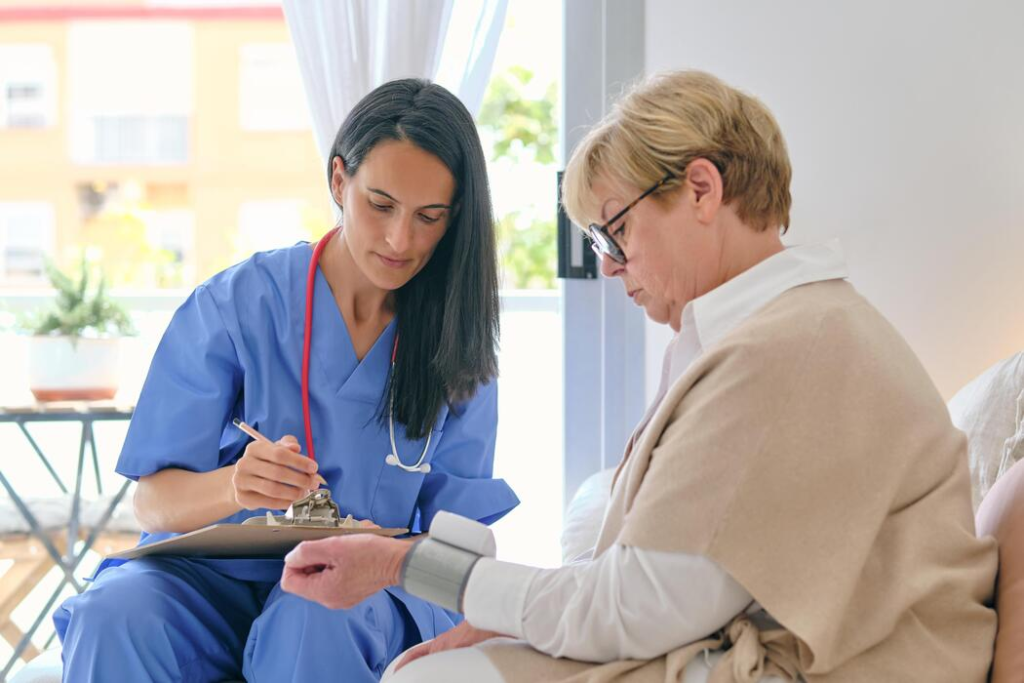
Quick Answer: “Home care provides non-medical support with everyday activities such as meals, companionship, personal care, errands, transportation, and household routines. Home health care provides medical or rehabilitative services through licensed healthcare professionals. A senior may need home care, home health care, or both depending on their daily and medical needs.”
Families often encounter the terms home care and home health care at the same time. Because the names sound almost identical, it is easy to assume they describe the same service.
They do not.
The difference matters when an aging parent needs help at home. Someone who struggles with meals, bathing, errands, loneliness, or daily routines has different needs from someone who requires skilled nursing, physical therapy, or another clinical service.
SeniorCare Companions provides non-medical home care for seniors on Long Island, including hourly and live-in support with everyday activities, personal routines, meals, appointments, errands, companionship, and household tasks.
Understanding the distinction between home care and home health care makes it much easier to choose the right type of support.
What Is Home Care?
Home care is non-medical assistance that helps seniors manage everyday life while remaining in their own homes.
The focus is not on treating an illness. It is helping with the parts of daily living that have become difficult, tiring, unsafe, or overwhelming.
A home caregiver may help with:
- Companionship and socialization
- Meal preparation and cleanup
- Light household tasks
- Grocery shopping and errands
- Transportation
- Making and attending appointments
- Personal hygiene and grooming
- Morning and evening routines
- Mobility-related daily support
Home care is often a good fit for a senior who is medically stable but no longer manages every part of the day comfortably on their own.
A parent may still make their own decisions and enjoy living independently while needing someone to help with groceries, prepare lunch, assist with getting dressed, or provide company during the week.
Home Health Care Provides Clinical Support
Home health care is medical or rehabilitative care delivered in the home by qualified healthcare professionals.
The focus is usually a specific health condition, recovery need, or clinical goal.
Depending on the situation, home health care may involve professionals such as:
- Registered nurses
- Physical therapists
- Occupational therapists
- Speech-language pathologists
- Other licensed healthcare professionals
Their work may involve clinical assessment, rehabilitation, wound-related care, therapy, or other services that require professional medical training.
This is the clearest difference between the two types of care. A non-medical home caregiver supports everyday life. A home health professional provides skilled healthcare.
Home Care vs Home Health Care at a Glance
Families can usually understand the difference by looking at the type of help their loved one needs.
| Need | Home Care | Home Health Care |
| Companionship | Yes | Generally not the primary purpose |
| Meal preparation | Yes | Generally not the primary purpose |
| Light household help | Yes | No |
| Errands and transportation | Yes | Generally no |
| Personal care support | Yes | May be limited to the clinical care plan |
| Appointment assistance | Yes | Not usually ongoing transportation support |
| Skilled nursing | No | Yes |
| Physical therapy | No | Yes |
| Occupational therapy | No | Yes |
| Medical treatment | No | Yes |
Neither service is better than the other. They solve different problems.
How Do You Know Which Type of Care Your Parent Needs?
Start with the tasks that are becoming difficult.
When the problem is primarily daily living, non-medical home care is often the more relevant option.
Signs may include:
- Meals are being skipped
- Grocery shopping has become difficult
- The home is becoming harder to manage
- Bathing or dressing takes too much effort
- Your parent has stopped driving
- Appointments are being missed
- Your parent spends long periods alone
- Family members are taking over more household responsibilities
- Your parent needs companionship or regular social interaction
Home health care becomes more relevant when the concern requires a licensed medical professional.
That may include a senior who needs clinical monitoring, rehabilitation, skilled nursing, or medical treatment at home.
Families do not need to diagnose the situation themselves. Medical needs should be discussed with the senior’s healthcare team. Daily living needs can then be considered separately.
One Senior May Need Both Types of Care
Home care and home health care are not mutually exclusive.
A senior recovering from an illness or procedure may receive clinical care from a visiting healthcare professional while also needing practical help throughout the rest of the day.
For example, a physical therapist may visit for a scheduled rehabilitation session. That visit does not automatically solve the senior’s need for:
- Breakfast preparation
- Bathing support
- Grocery shopping
- Laundry
- Transportation
- Companionship
- Help maintaining the home
A non-medical caregiver can address those daily needs while licensed professionals handle clinical treatment.
This distinction becomes especially important when families assume that arranging home health care means someone will remain with their parent for extended periods. Clinical home visits and ongoing daily caregiver support are different services.
Daily Living Support Often Lasts Longer Than Medical Recovery
A medical condition may improve before a senior is ready to manage daily life independently again.
A parent may complete rehabilitation but still find grocery shopping exhausting. They may no longer need skilled nursing but still struggle with meals, bathing, or household tasks.
Some daily living needs may also have existed before the medical issue began.
That is why families should assess the whole routine rather than focusing only on the diagnosis.
Ask:
- Can my parent prepare regular meals?
- Can they bathe and dress safely?
- Are they comfortable being alone?
- Can they get to appointments?
- Are they maintaining the home?
- Are errands becoming difficult?
- Are they socially isolated?
- Is the family providing more help than it can sustain?
These questions reveal needs that a medical treatment plan may not address.
What Does a Non-Medical Caregiver Actually Do During the Day?
A home caregiver may support several parts of the senior’s routine during one visit.
A typical period of care might involve helping the senior get ready for the day, preparing a meal, completing light household tasks, accompanying them on an errand, and providing conversation and companionship.
The caregiver’s role changes according to the senior’s needs.
Personal routines
A senior may need support with grooming, dressing, or hygiene while still handling other activities independently.
Meals and household tasks
Meal preparation and light household support can keep everyday life manageable when cooking and chores have become tiring.
Appointments and errands
Caregivers can help seniors manage necessary trips and appointments when transportation or mobility makes them harder.
Companionship
Regular conversation and social interaction can be especially important for seniors who live alone or rarely leave the home.
Families comparing different forms of support may find the guide to choosing the right in-home care useful when deciding which services best match a parent’s needs.
Clinical Care Has Different Responsibilities
Home health professionals work within a medical scope of practice.
Skilled nursing
A nurse may perform clinical assessments or provide medically necessary nursing services according to a treatment plan.
Physical therapy
Physical therapy focuses on movement, strength, balance, function, and rehabilitation.
Occupational therapy
Occupational therapy can help a person regain or adapt the skills needed for everyday activities after illness or injury.
Speech-language therapy
Speech-language services may address communication or swallowing concerns when clinically appropriate.
These are specialized services. A non-medical home caregiver should not be expected to perform them.
Home Care Has Important Boundaries Too
Non-medical home care is valuable precisely because its role is clear.
Caregivers provide practical everyday support. They do not diagnose illnesses, make medical decisions, prescribe treatments, perform skilled nursing procedures, or replace physicians and therapists.
When a caregiver or family member notices a new medical concern, the appropriate healthcare professional should be contacted.
Clear boundaries protect the senior and prevent families from relying on the wrong person for a medical need.
Which Type of Care Is Better for Ongoing Daily Support?
When the need is ongoing assistance with everyday life, home care is usually the service families are looking for.
A senior may need help several times each week or every day with:
- Meals
- Personal routines
- Companionship
- Transportation
- Appointments
- Errands
- Household tasks
These needs may continue even when no medical treatment is required.
Home health care usually has a more clinical purpose. The professional arrives to address a particular healthcare or rehabilitation need.
The length and frequency of either service depend on the person’s circumstances, but their purposes remain different.
A Simple Way to Decide Where to Start
Families can separate their concerns into two columns.
Daily living concerns
These point toward home care:
- “Dad is no longer cooking.”
- “Mom is lonely all week.”
- “She needs help getting dressed.”
- “He cannot manage grocery shopping.”
- “We need someone with her while we work.”
- “Appointments and errands are becoming too much.”
Medical or rehabilitation concerns
These point toward discussing home health care with the healthcare team:
- “Dad needs skilled nursing.”
- “Mom was prescribed physical therapy.”
- “She needs clinical monitoring.”
- “He needs rehabilitation after an illness or injury.”
- “A licensed professional needs to provide treatment.”
Some families will have concerns in both columns. In that case, both types of care may have a role.
Questions Families Ask About Home Care and Home Health Care
Is home care the same as home health care?
No. Home care provides non-medical support with daily activities, while home health care provides clinical or rehabilitative services through licensed healthcare professionals.
Can you have home care and home health care at the same time?
Yes. A senior may receive medical home health services while also having a non-medical caregiver help with meals, personal routines, errands, transportation, and companionship.
Does a home caregiver provide nursing care?
No. Non-medical caregivers do not replace nurses or other licensed healthcare professionals for skilled medical services.
Which type of care helps with bathing and dressing?
Non-medical home care can support daily personal care routines such as bathing, grooming, and dressing. Clinical home health services have a different medical purpose.
Which service is better for an elderly parent who is lonely?
Home care is generally the relevant service when the main concerns are loneliness, companionship, socialization, and everyday support rather than medical treatment.
Does home health care mean someone stays with my parent all day?
Not necessarily. Home health care often consists of scheduled visits for specific medical or rehabilitation services. Extended companionship or daily living assistance generally falls under home care.
What if my parent needs help after finishing physical therapy?
Non-medical home care may help with the everyday needs that remain after clinical rehabilitation ends, such as meals, errands, transportation, personal routines, and household support.
How do I know whether my parent needs medical or non-medical home care?
Look at the type of help they need. Clinical treatment requires healthcare professionals. Help with daily living, companionship, meals, personal care, transportation, and household routines points toward non-medical home care.
Finding the Right Support for Life at Home
The difference between home care and home health care comes down to purpose.
Home health care addresses clinical needs. Home care helps a senior manage everyday life.
Many families eventually need both at different times, and sometimes at the same time. The important step is identifying what your loved one is struggling with now and matching each need to the right type of support.
Families looking for help with everyday non-medical care can talk with SeniorCare Companions about home care options and discuss the routines and activities where their loved one needs additional assistance.