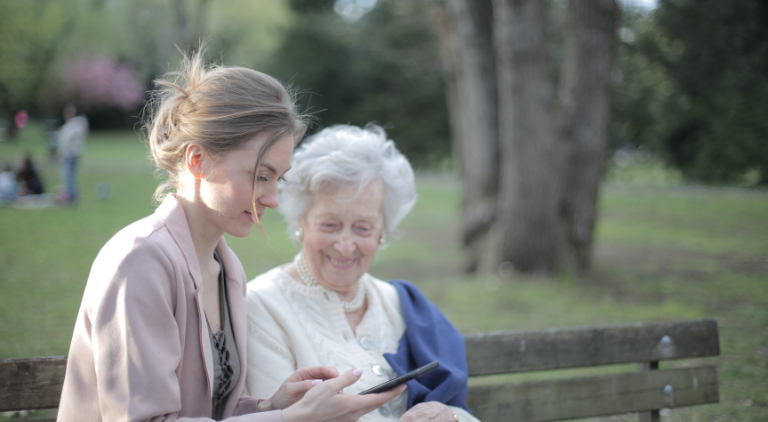


Family member, out in the park with a senior

Navigating Safety Conversations with Your Seniors: A Compassionate Approach

Keeping your aging loved ones safe and secure is all about having open, caring conversations, not about causing worry. This guide will walk you through how to discuss common risks, such as falls, managing medications, driving, and falling victim to scams. You’ll learn gentle ways to bring up these topics, how to spot early signs […]

Navigating Safety Conversations with Your Seniors: A Compassionate Approach Read More »

Family Member on a walk with their Senior member

Navigating Daily Routines: Common Hurdles Families Encounter with Alzheimer’s Care at Home

An estimated 7.2 million Americans aged 65 and older will be living with Alzheimer’s disease in 2025, presenting significant challenges for families providing daily care. Understanding the primary obstacles families face when caring for individuals with Alzheimer’s at home is the first step toward adequate support. This article explores key difficulties in daily living activities,

Navigating Daily Routines: Common Hurdles Families Encounter with Alzheimer’s Care at Home Read More »

Senior Couple leaning on eachother

Keeping Seniors Connected: The Power of Local Social Activities

Local social activities are the foundation of community connection for seniors, significantly enhancing their overall well-being and mitigating the risks of isolation. When you search for “senior social activities near me,” you’re not just finding events; you’re discovering pathways to sharper minds, more vibrant bodies, stronger cognitive function, and a more profound sense of purpose.

Keeping Seniors Connected: The Power of Local Social Activities Read More »

Two Elderly people laughing together

In-Home Care vs. Nursing Homes: Which Is Best for Your Loved One on Long Island?

Deciding between in-home care and a nursing home can be a significant challenge for Long Island families seeking to support their seniors. This guide will help you understand the key advantages of personalized in-home care, explore the downsides of institutional nursing homes, compare assisted living options, outline thoughtful financial planning strategies, and provide essential questions

In-Home Care vs. Nursing Homes: Which Is Best for Your Loved One on Long Island? Read More »

Holding Elderly Hands

Navigating the Emotional Toll of Dementia Caregiving: A Guide for Family Supporters

When you’re caring for a loved one with dementia, the emotional weight can feel immense. Many family caregivers experience significant stress, anxiety, and exhaustion, which can impact both their mental and physical health. It’s vital to recognize and address these feelings to provide compassionate care while safeguarding your own well-being. This guide will help you

Navigating the Emotional Toll of Dementia Caregiving: A Guide for Family Supporters Read More »

A group of elderly people taking a self-portrait

Tailored vs. Standard Elder Companion Care: Discovering the Advantages for Long Island Seniors

Selecting the right in-home companionship can profoundly enhance a senior’s life on Long Island, fostering greater safety, independence, and emotional well-being. When considering tailored versus standard elder companion care, two distinct service approaches emerge: one offers set routines and basic assistance, while the other dynamically adapts to individual health needs, personal interests, and lifestyle preferences.

Tailored vs. Standard Elder Companion Care: Discovering the Advantages for Long Island Seniors Read More »

Memory Loss Communication

Tips for Communicating with a Loved One with Memory Loss

When a loved one begins to experience memory loss—whether due to Alzheimer’s disease, dementia, or age-related cognitive decline—communication can become a daily challenge. Conversations that once flowed easily may now be marked by confusion, frustration, or emotional distance. Yet, maintaining meaningful connections is more important than ever. Understanding how to communicate with compassion and patience

Tips for Communicating with a Loved One with Memory Loss Read More »

Sunset

Managing Sundowning Syndrome in Seniors with Alzheimer’s

Sundowning syndrome, also known as “late-day confusion,” is a common and challenging symptom in individuals with Alzheimer’s disease and other forms of dementia. It typically occurs in the late afternoon or evening and can involve confusion, anxiety, restlessness, irritability, and trouble sleeping. For caregivers, these behavioral changes can be exhausting and emotionally challenging. Understanding the

Managing Sundowning Syndrome in Seniors with Alzheimer’s Read More »

Senior Care Companions
Scroll to Top