
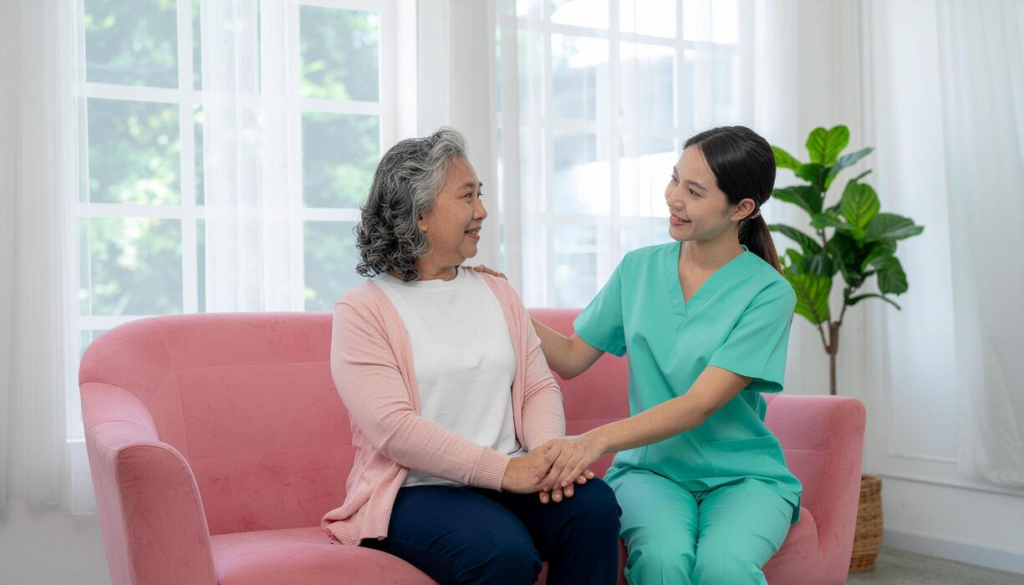
Quick Answer: “A home caregiver helps seniors who live alone with daily routines, companionship, light housekeeping, meals, transportation, errands, medication reminders, personal care supervision, and home safety support. The goal is to help older adults remain safer, more comfortable, and more independent at home without relying only on family members.”
Living alone can be empowering for older adults. It allows them to stay in a familiar home, keep their routines, and maintain a sense of independence. But as daily needs change, living alone can also become stressful for seniors and their families.
A home caregiver provides practical, non-medical support that fills the gaps between full independence and needing a higher level of care. For seniors on Long Island, SeniorCare Companions offers general home care for seniors through hourly and live-in care options that support daily life at home.
What Does a Home Caregiver Do Each Day?
A home caregiver helps with everyday tasks that make home life safer, calmer, and more manageable. The exact routine depends on the senior’s needs, but the support often includes help with meals, housekeeping, errands, companionship, personal care supervision, and safe movement around the home.
For a senior who lives alone, the caregiver may become the person who notices small changes early. Maybe the refrigerator is empty. Maybe laundry is piling up. Maybe the senior is skipping meals, forgetting appointments, or becoming more withdrawn.
Those small signs matter. A caregiver brings consistency into the home and helps reduce the risk that daily needs go unnoticed.
How Does a Caregiver Help Seniors Stay Safe at Home?
Home safety is one of the biggest reasons families look for in-home care for a senior who lives alone. Falls, clutter, missed meals, and confusion can become more serious when no one else is present.
A caregiver can support safety by helping with:
- Keeping walkways clear
- Reducing clutter in daily living areas
- Supporting safe movement around the home
- Helping with errands so the senior avoids risky trips alone
- Providing reminders around routines and appointments
- Noticing changes that family members may need to know about
This kind of support does not replace emergency care or medical supervision. It creates a steadier daily environment so the senior is not managing everything alone.
What Daily Living Tasks Can a Home Caregiver Support?
Daily living tasks are often where seniors begin to need help first. These tasks may seem small, but they directly affect comfort, health, and dignity.
Common areas of support include:
| Daily need | How a caregiver can help |
| Meals | Preparing simple meals, encouraging regular eating, and helping with kitchen cleanup |
| Housekeeping | Supporting light housekeeping to keep the home easier to manage |
| Laundry | Helping with clothing, towels, and linens as part of a routine |
| Errands | Assisting with groceries, pharmacy trips, and necessary outings |
| Companionship | Providing conversation, social interaction, and emotional support |
| Personal care | Supervising routines that may include hygiene, dressing, and grooming support |
For seniors who live alone, these tasks are not just chores. They shape the entire day.
Why Is Companionship So Important for Seniors Who Live Alone?
Companionship is one of the most important parts of home care for seniors who live alone. Loneliness can build slowly. A senior may stop going out, stop calling friends, or spend most of the day without meaningful conversation.
A caregiver can help by creating regular social contact. This may include conversation, shared meals, games, walks, hobbies, or simply being present during quiet parts of the day.
Companionship also helps families feel more at ease. Adult children often worry that a parent is alone too much, especially after a spouse passes away or when close friends are no longer nearby.
A caregiver does not replace family. A caregiver adds regular connection during the hours when the family cannot be there.
How Can a Caregiver Help With Meals and Household Routines?
Meals and household routines often become harder before families realize how much a senior is struggling. A parent may say they are eating fine, but the refrigerator tells a different story. They may have expired food, unopened groceries, or rely on snacks instead of meals.
A caregiver can help make food routines more consistent by preparing meals, encouraging hydration, assisting with cleanup, and keeping the kitchen easier to use.
Light household routines also matter. A more organized home can make the day feel less overwhelming. Clean clothing, clear counters, and tidy living areas help seniors feel more comfortable and in control.
How Does Home Care Help Long-Distance Family Members?
Home care can be especially helpful when adult children do not live nearby. Long-distance caregiving creates constant worry because families cannot easily check in on the home, notice changes, or provide daily help.
A caregiver can become part of the local support system. They can help with daily routines, provide companionship, and support transportation or errands when family members cannot be there in person.
This topic connects closely with helping elderly parents from a distance, especially for families trying to support a parent who wants to remain at home while living alone.
When Should a Senior Who Lives Alone Have Home Care?
A senior may benefit from home care when daily life starts becoming inconsistent, unsafe, or isolating. Families should look for repeated patterns rather than waiting for a major crisis.
Signs that home care may be needed include:
- Missed meals or weight changes
- Laundry, dishes, or trash are building up
- Missed appointments or medication confusion
- More frequent falls or near falls
- Less interest in hobbies or social activities
- Difficulty keeping up with errands
- Increased anxiety when alone
- Family members feeling stretched or worried
Early support can prevent bigger problems later. A few hours of care each week may be enough to create structure and reduce stress.
What Is the Difference Between Hourly Care and Live-In Care?
Hourly care and live-in care both support seniors at home, but they fit different needs.
| Care type | Best fit |
| Hourly care | Seniors who need help during certain parts of the day, such as mornings, meals, errands, or evening routines |
| Live-in care | Seniors who need a caregiver present in the home for broader daily support and peace of mind |
| Increased scheduled care | Seniors whose needs are growing and require more consistent coverage |
Families do not always need to start with a large amount of care. Many begin with key hours and adjust as needs change.
How Can Families Talk About Home Care Without Causing Resistance?
Many seniors resist home care because they fear losing control. The way families introduce the conversation matters.
Instead of focusing on what the senior can no longer do, focus on what support helps them keep doing.
Helpful phrases include:
- “This can help you stay comfortable at home.”
- “This gives you support with the tasks that are taking too much energy.”
- “This is not about taking over. It is about making the day easier.”
- “This gives us peace of mind while helping you keep your routine.”
Start with the least threatening area. For some seniors, that may be errands. For others, it may be meal preparation, light housekeeping, or companionship.
Common Questions About Home Care for Seniors Who Live Alone
What does a caregiver do for an elderly person living alone?
A caregiver helps with daily routines such as meals, light housekeeping, laundry, errands, transportation, companionship, and personal care supervision. The goal is to support safety, comfort, and independence at home.
Can a senior live alone with caregiver support?
Many seniors can continue living alone with the right level of caregiver support. The amount of care depends on mobility, memory, personal care needs, household tasks, and family involvement.
How many hours of care does a senior living alone need?
The number of hours depends on the senior’s daily challenges. Some need a few hours a week for errands and companionship. Others need daily support or live-in care when needs become more involved.
What are the signs that an elderly parent should not be alone all day?
Warning signs include missed meals, poor hygiene, frequent confusion, unsafe walking, falls, social withdrawal, missed appointments, and family concern that the senior cannot manage the day safely.
Is companionship enough for a senior who lives alone?
Companionship may be enough when the main concern is loneliness or isolation. More support may be needed when the senior also struggles with meals, hygiene, mobility, transportation, or home safety.
Can home care help prevent isolation for seniors living alone?
Yes. Regular caregiver visits create social connection, structure, and support. Conversation, shared activities, outings, and routine check-ins can help a senior feel less isolated at home.
Helping a Senior Live Alone With More Confidence
A senior who lives alone may not need to leave home to receive meaningful support. The right caregiver can make daily life safer, more organized, and more connected while respecting independence and routine.
For families, the biggest benefit is peace of mind. You know your loved one has help with the daily tasks that can quietly become too much.
To talk through what kind of support may fit your parents’ routine, you can request a free home assessment with SeniorCare Companions.