
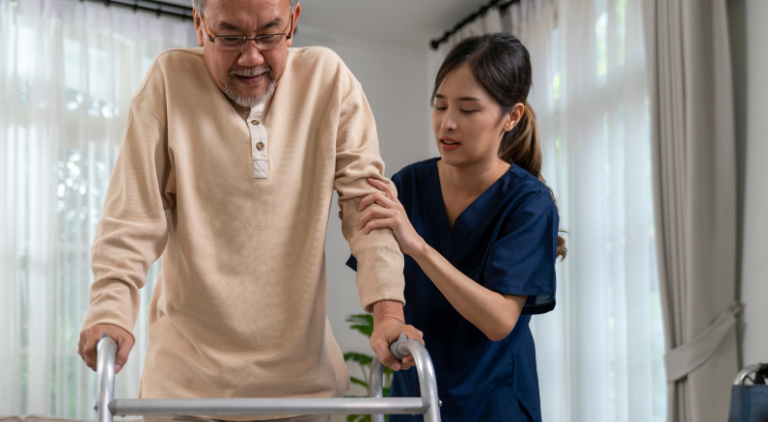
A sudden health concern can transform a typical companion care visit into a critical situation, making it vital for caregivers to be prepared for emergencies or health issues during these sessions. Thorough preparation helps reduce panic, speeds up response times, and ensures the well-being of seniors. This guide offers a clear path forward: we’ll begin by outlining how to prepare for emergencies, then delve into managing ongoing medical conditions, and finally, discuss fall prevention and response. We’ll also cover how family members can support caregivers and highlight the specialized training and resources available through Senior Care Companions, Inc. Together, these sections provide a comprehensive framework for addressing health challenges in companion care settings across Long Island, NY.
How Should Caregivers Prepare for Emergency Response in Companion Care?
Emergency response preparation for caregivers involves establishing clear procedures, ensuring staff have basic first aid skills, and setting up communication channels to quickly identify and manage health emergencies. SeniorCare Companions, Inc. provides personalized care plans that include emergency drills, regular scenario reviews, and coordination with family members for updated contact information. This proactive approach ensures every caregiver understands their precise role when every second counts, building confidence in managing crises at home.
What Are the First Steps a Caregiver Should Take During a Senior Health Crisis?
The immediate priority is to ensure the senior’s safety by removing any hazards and creating a clear space. Next, quickly assess their consciousness, breathing, and any visible injuries. If breathing or circulation is compromised, begin basic life support measures. Once the situation is stabilized, notify emergency responders or family members as outlined in the care plan, and remain with the senior until help arrives.
How Do You Create an Effective Emergency Contact List for Seniors?
An emergency contact list should include at least three phone numbers: the primary family member, the senior’s physician, and a backup relative or neighbor. Record essential medical details, existing conditions, allergies, medications, and update the list every three months. Keep both printed and digital copies readily accessible to caregivers and family members.
What Basic First Aid Skills Should Caregivers Know for Elderly Clients?
Caregivers must be proficient in:
- Basic CPR techniques adapted for older adults to manage cardiac or respiratory arrest.
- Controlling bleeding by applying direct pressure and using clean dressings.
- Responding to choking incidents using safe modifications for abdominal thrusts.
- Treating minor burns and cuts to prevent infection.
These fundamental skills are crucial for protecting seniors within the non-medical scope of companion care and enhancing caregiver confidence.
When Should Caregivers Call 911 Versus Non-Emergency Contacts?
Call 911 immediately for life-threatening situations such as loss of consciousness, severe chest pain, uncontrolled bleeding, or signs of a stroke. For less urgent concerns, like mild dizziness, minor cuts, or questions about medication, contact the designated family member or the on-call care coordinator first. This distinction ensures that critical emergency services are available for true emergencies.
What Are the Best Practices for Managing Chronic Medical Issues in Home Companion Care?
Managing chronic conditions in companion care involves a combination of medication reminders, nutritional guidance, and careful health monitoring. Caregivers follow personalized care plans from SeniorCare Companions, Inc., assisting seniors in adhering to their doctor’s prescribed treatments while promoting independence. By establishing consistent routines and maintaining clear documentation, caregivers help maintain stable health and reduce the likelihood of hospital readmissions.
How Can Caregivers Assist with Medication Management and Reminders?
Caregivers can set up a daily medication schedule using labeled organizers and discreet electronic reminders to help ensure adherence. For each dose, they confirm the senior’s identity, verify the correct medication and dosage, and then record the administration time. This systematic approach helps prevent missed doses and accidental double-dosing, ensuring adherence to medication plans for chronic conditions.
What Nutrition and Diet Tips Support Seniors with Chronic Illnesses?
A balanced diet is essential for regulating blood sugar levels and blood pressure, as well as maintaining a healthy weight. Caregivers should plan meals that are rich in fiber, lean protein, healthy fats, and low in sodium. Emphasizing hydration with water or herbal teas is also essential for preventing dehydration and supporting overall organ function.
The following table outlines key nutrients, their roles, and suitable food sources for seniors managing chronic conditions.
| Nutrient | Function | Food Sources |
|---|---|---|
| Fiber | Helps regulate blood sugar and digestion | Oats, beans, whole grains |
| Omega-3 fatty acids | Provides anti-inflammatory benefits | Salmon, walnuts, flaxseed oil |
| Potassium | Supports healthy blood pressure levels | Bananas, sweet potatoes, spinach |
These nutrients contribute to stable health and lay the groundwork for effective vital sign monitoring protocols.
How Should Caregivers Monitor Vital Signs and Recognize Health Changes?
Caregivers should regularly record vital signs such as pulse, blood pressure, respiratory rate, and temperature using accurate home monitoring devices. They should be attentive to warning signs, like a rapid heart rate, high blood pressure, or difficulty breathing, and note any irregularities in their daily logs. Promptly communicating these trends to family members and healthcare providers allows for early intervention and helps maintain the senior’s health stability.
How Can Caregivers Prevent and Respond to Senior Falls at Home?
Preventing falls in companion care involves making environmental adjustments, encouraging strength-building exercises, and having rapid response strategies in place. Caregivers can conduct safety assessments to identify and remove tripping hazards, and then guide seniors through simple balance exercises to improve their stability. This approach not only reduces the risk of falls but also prepares caregivers to act quickly in the event of a fall, thereby protecting seniors from serious injuries.
What Are the Key Home Safety Measures to Reduce Fall Risks?
Implement these safety measures to minimize the risk of falls:
- Keep walkways clear of clutter and secure loose rugs with non-slip backing to prevent slips and falls.
- Install grab bars in bathrooms and handrails on both sides of stairways.
- Ensure adequate lighting, particularly in hallways and entryways.
- Encourage the use of stable, non-skid footwear and appropriate assistive devices.
These steps help create a safer living environment and decrease the frequency of falls.
How Should Caregivers Assist Seniors with Mobility Challenges?
Caregivers can support safe movement by gently guiding seniors at the waist or hip, using gait belts when necessary. They should encourage the use of walkers or canes and instruct on proper turning techniques to prevent dizziness. Consistent encouragement of gentle daily exercises can strengthen muscles, reduce stiffness, and build confidence for independent mobility.
What Immediate Actions Should Be Taken If a Senior Falls?
If a senior falls, caregivers should first remain calm and speak reassuringly to the individual. Assess for any pain, potential fractures, or bleeding without attempting to force movement. If the senior can move safely, assist them to a seated position and evaluate their overall condition. In cases of suspected serious injury or loss of consciousness, call 911 immediately and follow established emergency response protocols.
How Can Family Members Support Caregivers in Handling Senior Health Issues?
Family involvement enhances care outcomes by clarifying roles, sharing crucial information, and fostering effective communication. When family members understand the responsibilities and limitations of caregivers, they can offer practical assistance and respect professional boundaries. This collaborative approach builds trust and optimizes in-home health management for seniors.
What Should Families Know About Caregiver Responsibilities and Limitations?
Caregivers are responsible for non-medical tasks, such as providing companionship, assisting with personal care, preparing meals, and performing light housekeeping, while also observing and reporting any changes in a person’s health. They are not qualified to diagnose medical conditions or prescribe treatments. Understanding these boundaries helps families complement the caregiver’s efforts with appropriate assisted living care and emotional support.
How Can Families Communicate Effectively with Caregivers and Healthcare Providers?
Open and respectful communication ensures that all parties involved remain informed. Families should:
- Schedule regular check-in calls or messages to review health logs.
- Utilize shared tools, such as calendars or journals, to track medications and appointments.
- Encourage open feedback by asking caregivers about any additional support they may need.
- Participate in periodic care plan meetings to ensure alignment on goals and necessary adjustments.
Consistent collaboration improves care coordination and enhances the senior’s comfort.
How Do Families Choose the Right Companion Care for Health Support?
Selecting a provider involves assessing caregiver training, the personalization of care plans, and the agency’s reputation for dependability. Families should inquire about experience with specific chronic conditions, emergency procedures, and available local resources. A thorough selection process leads to greater peace of mind and ensures seniors receive compassionate and competent care.
What Training and Resources Does SeniorCare Companions Provide for Handling Health Issues?
SeniorCare Companions, Inc. provides caregivers with specialized training in non-medical health support, enabling them to recognize early warning signs and respond with confidence. This ongoing commitment to continuous education and access to resources ensures the high quality and reliability that families expect in Long Island, NY.
How Are Caregivers Trained to Recognize and Respond to Health Emergencies?
Every caregiver completes intensive workshops that cover essential skills, including basic life support, fall response techniques, and monitoring chronic conditions. Regular refresher courses and supervised practical training enhance their observational abilities and reinforce emergency protocols, ensuring they are prepared for any health-related situation.
What Support Does SeniorCare Companions Offer During Senior Health Crises?
During a health crisis, caregivers adhere to established care plans, maintain clear communication with designated family contacts, and coordinate with emergency services to ensure continuity of care. Care coordinators are available on-call to guide caregivers through critical steps, providing seamless support from the initial alert through post-event follow-up.
Where Can Caregivers and Families Find Additional Health and Safety Resources?
SeniorCare Companions offers a comprehensive resource center featuring printable emergency checklists, downloadable meal planning guides, and links to reputable organizations for further information. Families and caregivers can access the latest best practices to enhance in-home safety and the overall quality of care.
Consistent attentiveness, clear procedures, and compassionate teamwork are the cornerstones of effective companion care. By following these guidelines and utilizing the training and resources provided by SeniorCare Companions, Inc., caregivers and families can confidently manage health issues and emergencies, ensuring seniors live safe, comfortable, and dignified lives at home. Reach out to SeniorCare Companions, Inc. for personalized companion care solutions in Long Island, NY.