
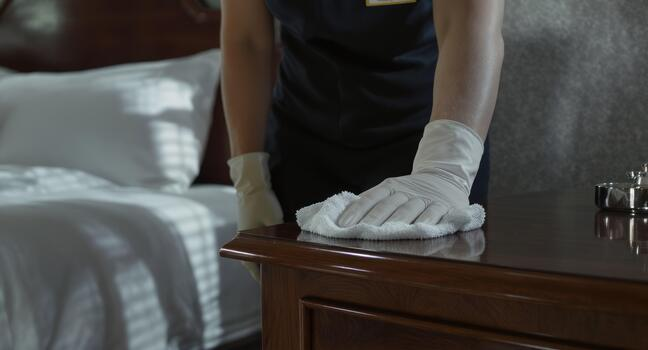
For many seniors, staying at home is not just about having a place to live. It is about comfort, memory, independence, and dignity. But as daily tasks become harder, the home can slowly become more difficult to manage. Mail piles up. Laundry waits longer. Kitchen counters get cluttered. Floors become harder to keep clear. What starts as “just a little mess” can turn into a real safety and quality-of-life concern.
That is where light housekeeping for seniors can make a meaningful difference. SeniorCare Companions includes Light Housekeeping as part of its general and companion care services, along with support such as transportation, laundry, companionship, errands, and meal preparation. Families can explore these light housekeeping home care services as part of a broader in-home care plan for seniors on Long Island.
Light housekeeping is not about deep cleaning or replacing a professional cleaning company. In senior home care, it is about helping maintain a safer, more comfortable living environment so older adults can continue aging in place with the right level of daily support.
Why Light Housekeeping Matters in Senior Home Care
A clean, organized home affects more than appearance. For seniors, it can influence safety, confidence, hygiene, and emotional well-being.
When a home becomes harder to maintain, families may notice small changes first. Dishes stay in the sink longer. Laundry becomes overwhelming. Walkways get crowded. The refrigerator may contain expired food. These changes can be easy to dismiss, but they often signal that a loved one needs more support at home.
Light housekeeping helps reduce those everyday stress points. It keeps the home more manageable and helps seniors feel less overwhelmed by tasks they may no longer have the energy, strength, balance, or memory to complete consistently.
What Light Housekeeping Can Include
In non-medical home care, light housekeeping usually focuses on routine household tasks that support daily living. It is not heavy-duty cleaning, home repairs, or large organizing projects. The goal is to help maintain a safer, more livable home environment.
Common light housekeeping support may include:
- Keeping the main living areas tidy
- Washing dishes or loading the dishwasher
- Wiping counters and common surfaces
- Taking out trash
- Helping keep walkways clear
- Making the bed or changing linens when appropriate
- Supporting laundry routines
- Helping organize commonly used items
- Reducing clutter in areas used every day
The exact support depends on the senior’s needs, the care plan, and what is appropriate within a non-medical home care setting.
Light Housekeeping vs Deep Cleaning
Families sometimes confuse light housekeeping with deep cleaning. They are not the same.
| Type of help | What it usually focuses on | Best for |
| Light housekeeping | Daily or routine household tasks that support safety and comfort | Seniors who need help keeping the home manageable |
| Deep cleaning | Heavy cleaning, scrubbing, large projects, or seasonal cleaning | Professional cleaning services |
| Home organization projects | Sorting, downsizing, or major clutter removal | Family, organizers, or specialized services |
Light housekeeping is most valuable when it is consistent. A caregiver helping with small daily tasks can prevent the home from becoming overwhelming in the first place.
How a Cleaner Home Supports Aging in Place
Aging in place depends on more than the senior’s health. The home environment matters too.
Reducing everyday fall risks
Cluttered walkways, loose items on the floor, and rushed movement through messy spaces can increase risk. Keeping commonly used areas clear helps seniors move around with more confidence.
Light housekeeping can support safer movement by helping keep:
- Hallways clear
- Floors free of unnecessary clutter
- Kitchen areas easier to navigate
- Bathroom and bedroom spaces are more orderly
- Frequently used items within reasonable reach
This does not remove every risk, but it can reduce avoidable hazards that build up over time.
Supporting hygiene and comfort
A tidy home often helps seniors feel better emotionally. Clean clothing, fresh linens, and a more orderly space can make daily life feel more dignified and comfortable.
When housekeeping slips, some seniors begin to feel embarrassed. They may avoid inviting family over or stop participating in social routines. A little help can restore comfort and confidence.
Making daily routines easier
Routine matters are especially important for seniors, particularly those with memory changes or low energy. A cleaner, more predictable home can make it easier to find items, follow habits, and complete everyday tasks.
For example, a tidy kitchen makes meal preparation easier. Clear surfaces make medication routines less confusing. Organized clothing makes getting dressed less stressful.
When Families Should Consider Light Housekeeping Help
Light housekeeping support may be useful before a crisis happens. Families should watch for patterns, not just one messy day.
Signs a senior may benefit from housekeeping help include:
- Trash or dishes are building up regularly
- Laundry is becoming difficult to keep up with
- Cluttered walkways or unsafe room layouts
- Food spills or crumbs left for long periods
- Increased embarrassment about the home
- Family members are doing more and more household tasks
- A spouse caregiver is becoming overwhelmed
- Signs that the senior is avoiding tasks due to fatigue or pain
Sometimes the issue is not ability. It is endurance. A senior may be able to clean for five minutes but not manage an entire routine. Home care can help fill that gap.
Light Housekeeping and Companionship Often Work Together
One reason light housekeeping fits well within home care is that it does not happen in isolation. A caregiver may help tidy the kitchen while also offering conversation. They may fold laundry while talking with the senior. They may encourage a simple routine that makes the day feel less lonely and more structured.
That combination matters. Many seniors do not just need tasks completed. They need support that feels human, respectful, and familiar.
This is why light housekeeping often pairs naturally with companionship, meal preparation, errands, and general daily support. The care is practical, but it also helps the senior feel less alone.
Talking to a Parent About Housekeeping Help
Bringing up housekeeping can be sensitive. Seniors may hear it as criticism, even when the family’s concern comes from love.
A softer approach usually works better.
Instead of saying, “Your house is getting messy,” try:
- “I want to make things easier for you during the week.”
- “Would it help to have someone assist with small tasks so you can save your energy?”
- “This could help keep the house safer without changing your routine too much.”
If safety is already a concern, families may also benefit from reading about safety conversations with aging parents, especially when a loved one is resistant to accepting help.
How Light Housekeeping Helps Family Caregivers
Family caregivers often become the backup for everything. They manage appointments, groceries, medications, bills, and emotional support. Then housekeeping gets added to the list.
Over time, this can create resentment and exhaustion. A daughter who visits to spend time with her mother may end up cleaning the kitchen every visit. A spouse may feel trapped by chores they can no longer safely manage alone.
Light housekeeping support can shift the family’s role back toward connection. Instead of every visit becoming a task list, family members can spend more meaningful time with their loved one.
Creating a Simple Home Support Routine
A good housekeeping routine does not need to be complicated. In fact, the simpler it is, the better it usually works.
Families can start by identifying the highest-impact areas:
| Area of the home | Why it matters |
| Kitchen | Supports meals, hydration, and medication routines |
| Bathroom | Helps reduce hygiene concerns and slipping risks |
| Bedroom | Supports clean clothing, rest, and comfort |
| Main walkways | Helps reduce clutter and improve mobility |
| Laundry area | Supports fresh clothing, towels, and linens |
The goal is not perfection. The goal is safety, dignity, and consistency.
Keeping Expectations Realistic
Light housekeeping works best when everyone understands what it is meant to do.
It is appropriate for routine upkeep connected to the senior’s daily life. It should not be expected to cover major cleaning projects, heavy lifting, yard work, repairs, hoarding-level cleanup, or tasks unrelated to the senior’s care.
Clear expectations protect the senior, the family, and the caregiver. Before starting care, families should ask what types of household support are included and how those tasks fit into the overall care plan.
Light Housekeeping Questions Families Often Ask
Is light housekeeping part of senior home care?
Yes, many non-medical home care services include light housekeeping as part of daily support. SeniorCare Companions lists Light Housekeeping among its general and companion care services for seniors.
What is the difference between light housekeeping and regular cleaning?
Light housekeeping focuses on routine tasks that help keep the senior’s home safe, comfortable, and manageable. Regular cleaning or deep cleaning may involve heavier work, larger projects, or detailed cleaning that falls outside normal caregiver support.
Can light housekeeping help reduce fall risks?
It can help reduce avoidable hazards by keeping walkways clearer, reducing clutter, and supporting a more organized home environment. It should be part of a broader safety plan, especially if a senior has mobility issues.
What if my parent feels embarrassed about needing help at home?
That is very common. It often helps to frame light housekeeping as a way to save energy, protect independence, and make daily life easier, rather than as a sign that they cannot manage.
Is light housekeeping only for seniors who live alone?
No. It can also help couples, seniors living with family, or older adults whose spouse or family caregiver is becoming overwhelmed by household tasks.
Helping Home Feel Safer, Calmer, and More Manageable
Light housekeeping may sound simple, but it can have a big impact on how a senior feels at home. A clearer walkway, a cleaner kitchen, fresh laundry, and a calmer living space can support safety, dignity, independence, and peace of mind.
If your loved one is struggling to keep up with daily household tasks, it may be time to explore home care support that fits their routine. SeniorCare Companions offers a way to get started through a free home assessment, which you can request here: Schedule a free home assessment.